How Men Benefit From TRT Replacement Therapy Near Me
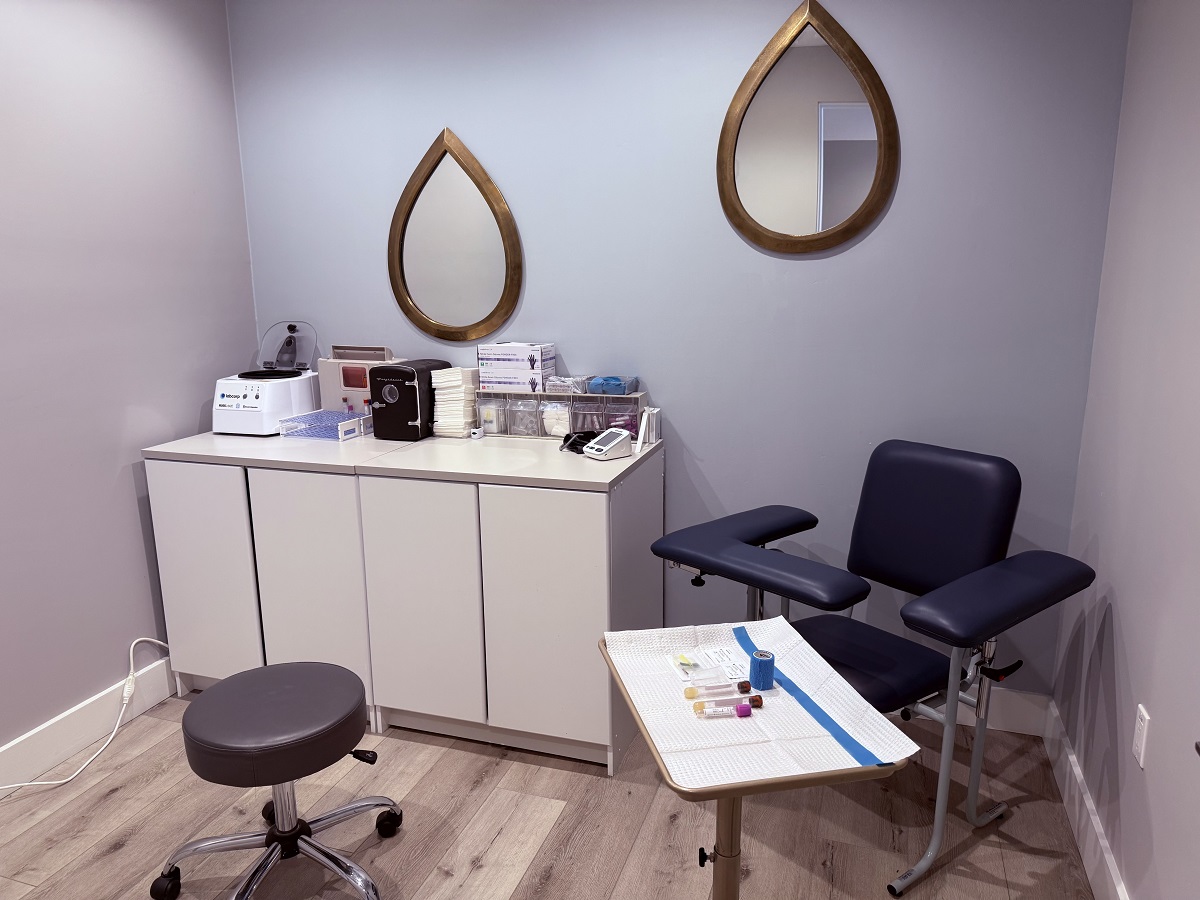


A lot of men do not start by asking whether they need testosterone replacement therapy. They start by asking what happened to them.
They notice that workouts no longer produce results. Their recovery slows down. Sex drive fades. Sleep gets lighter, patience gets shorter, and the sharpness they used to rely on at work seems harder to access. Some men gain fat around the midsection while losing muscle in their shoulders and legs. Others describe a flat, heavy feeling they cannot quite name. They are still getting through the day, but not with the same drive, resilience, or clarity.
That is often when the search begins, and it usually sounds practical rather than dramatic: “Is there TRT replacement therapy near me?” It is a local question, but underneath it is a personal one. Men want to know whether treatment exists that is safe, medically supervised, and genuinely useful, not hype dressed up as healthcare.
TRT, short for testosterone replacement therapy, can help men who have clinically low testosterone and symptoms that match it. When the diagnosis is correct and treatment is monitored carefully, the benefits can be meaningful. Energy can improve. Libido often rebounds. Body composition may shift in a favorable direction. Some men describe a return of initiative and steadier confidence, not bravado, just a sense of feeling like themselves again.
The important part is the phrase “when the diagnosis is correct.” Testosterone is not a cure-all, and it is not a shortcut for poor sleep, excess alcohol, untreated sleep apnea, chronic stress, obesity, or depression. Good clinicians know the difference. The best local TRT practices do not simply sell a vial and a promise. They evaluate the whole picture.
What low testosterone actually looks like in real life
Popular discussions of testosterone often reduce the issue to one thing, usually sex drive. In practice, the symptom pattern is broader and often more subtle.
A man in his late forties may say he is “just tired,” but what he means is that he wakes up tired, pushes through the afternoon on caffeine, and no longer has enough left for his family by evening. A man in his thirties may be frustrated that he trains consistently yet keeps losing strength. Someone else may not connect his irritability, low motivation, and poor concentration to a hormone issue at all. He may assume he is simply overworked.
Low testosterone symptoms can overlap with other medical and lifestyle problems, which is one reason self-diagnosis goes wrong so often. Poor sleep, especially from sleep apnea, can drag testosterone down and create many of the same complaints. So can obesity, certain medications, uncontrolled diabetes, and chronic illness. Even severe calorie restriction can make a man feel hormonally depleted.
This is why any serious discussion of TRT starts with assessment, not marketing. Symptoms matter, but lab work matters too. One low lab on its own is not enough to tell the whole story. Most experienced clinicians want repeat morning testing and a broader workup that may include free testosterone, sex hormone-binding globulin, estradiol, luteinizing hormone, complete blood count, PSA when appropriate, thyroid markers, and metabolic indicators. Not every case needs every test, but a thoughtful baseline matters.
Why men look locally for treatment
When men search for TRT replacement therapy near me, convenience is only part of the story. The stronger reason is ongoing care. Testosterone therapy is not a one-time event. It requires follow-up, dose adjustments, and attention to side effects and outcomes.
A local clinic or physician offers practical advantages that online-only services often struggle to match. You can sit down face to face, discuss symptoms in detail, and build a longer-term treatment relationship. If there is an issue with blood pressure, rising hematocrit, injection technique, or a concern about fertility, it is easier to manage when your care team is accessible. If your treatment plan needs to change, that can happen with less friction.
Men also tend to be more honest in person. That matters more than many people realize. In a real consultation, it is harder to gloss over details like heavy alcohol use, poor sleep, stimulant use, untreated anxiety, or the fact that you want children in the next year. Those details shape whether TRT is a good idea, whether another treatment is better, or whether your symptoms have a different root cause.
A good local clinic also sees patterns. They know which men improve quickly, which ones need slower titration, and which complaints that sound hormonal turn out to be thyroid disease, insulin resistance, depression, or obstructive sleep apnea. That kind of judgment rarely shows up in an ad, but it often determines whether treatment helps or disappoints.
The benefits men often experience on TRT
The benefits of TRT are best understood as a cluster of changes rather than a single dramatic shift. Most men do not wake up one week later feeling twenty years younger. Improvement tends to come in layers.
Energy is often one of the first changes men notice. Not hyper energy, not stimulant-like intensity, but a steadier reserve. Men commonly describe fewer afternoon crashes and less effort required to start tasks. That can sound modest on paper, yet it affects everything from exercise consistency to patience at home.
Libido and sexual function are another major reason men seek treatment. Testosterone is not the only factor in sexual health, since Trt replacement therapy near me vascular health, stress, relationship dynamics, medications, and sleep all matter, but low testosterone can absolutely suppress desire and weaken sexual confidence. When TRT is appropriate, many men report stronger interest, more reliable arousal, and an overall return of sexual normalcy.
Body composition can improve over time. With proper dosing and decent lifestyle habits, men often gain or preserve lean mass more easily and may reduce fat mass, especially visceral fat around the abdomen. TRT is not a weight-loss drug, and no ethical clinician should present it that way. Still, men with low testosterone frequently find that once levels are restored, training starts Trt replacement therapy near me to “work” again. Recovery improves. Strength comes back. They feel less as if they are fighting their own physiology.
Mood and cognitive changes are harder to measure, but they are real for many patients. Some men report less irritability, better focus, more drive, and a lift in overall morale. It is important not to overstate this. TRT is not a universal antidepressant. Yet when low testosterone has been contributing to mental dullness or emotional flattening, correcting it can make a noticeable difference.
Bone health matters too, especially in older men and in those who have had low levels for a long time. Testosterone plays a role in maintaining bone density. This is not the most visible benefit, but it may be one of the more medically significant over the long run.
What a good TRT workup should include
There is a difference between hormone care and hormone retail. Men should know what proper evaluation looks like, because the quality gap in this field is real.
A strong evaluation usually includes the following:
- A detailed symptom review and health history, including sleep, medications, alcohol use, fertility goals, and cardiovascular risk.
- Morning testosterone testing, usually repeated, along with related labs when clinically indicated.
- A discussion of reversible causes such as obesity, sleep apnea, overtraining, severe stress, or certain prescriptions.
- Clear counseling on benefits, limitations, side effects, and the need for follow-up monitoring.
- A treatment plan that can be adjusted over time rather than a one-size-fits-all protocol.
If that sounds basic, it is. The problem is that some clinics skip half of it. Men are told their testosterone is “low normal,” therefore bad, and are moved directly into treatment. Sometimes they do feel better, but that does not mean the process was careful or complete. In medicine, feeling better and being managed well are not always the same thing.
The local advantage, monitoring and dose adjustment
TRT works best when someone is paying attention after the prescription is written. Doses that are too low may leave symptoms unchanged. Doses that are too high can create avoidable problems, including acne, fluid retention, mood volatility, elevated hematocrit, and excessive estradiol conversion in some men.
This is where local care pays off. Monitoring is not glamorous, but it is where much of the real benefit comes from. Follow-up visits let clinicians correlate lab values with symptoms, not just chase a number. A man may have a “good” total testosterone on paper yet still feel off because his dosing schedule is creating peaks and troughs. Another may feel fantastic but show a hematocrit trend that needs attention before it becomes a problem.
In practice, small adjustments can matter. Changing injection frequency may smooth out mood and energy. Revisiting sleep habits can improve results more than increasing the dose. Addressing blood pressure, weight, and glucose control may turn a decent response into a strong one.
This is another reason the phrase TRT replacement therapy near me matters. Men do better when care is not anonymous. The body does not respond to protocols the way spreadsheets do. It responds to individualized decisions made over time.
How TRT can affect work, training, and relationships
The benefits of TRT are often easiest to appreciate in ordinary settings, not in lab reports.
At work, improved concentration and steadier energy can change the feel of an entire day. Men who had become hesitant or mentally foggy often describe returning to a more decisive version of themselves. Not aggressive, not superhuman, just engaged again. For executives, tradesmen, first responders, and anyone whose performance depends on clear thinking under fatigue, that shift can be meaningful.
In training, TRT can help men rebuild consistency. One of the most frustrating features of low testosterone is not merely weaker performance. It is the sense that effort no longer pays off. A man can be disciplined and still feel as if his body is moving backward. When testosterone is restored in a genuinely deficient patient, workouts often produce the expected return again. Strength climbs. Recovery improves. Soreness becomes more manageable. Muscle retention during fat loss gets easier.
At home, the changes are often quieter but more important. Better patience. Better mood. More desire for intimacy. More willingness to initiate plans rather than withdrawing into fatigue. Spouses frequently notice these shifts before the patient does. Men who came in focused on sex or muscle sometimes end up saying the most valuable change was that they became more present again.
The side of TRT that should never be glossed over
Professional discussion of TRT has to include the trade-offs. Testosterone therapy can be effective, but it is not casual care.
Fertility is one of the biggest issues. Exogenous testosterone can suppress sperm production, sometimes significantly. A man who wants children in the near future should say that early and clearly. There are alternatives and adjunctive approaches in some cases, but they require planning. It is not something to figure out after months of treatment.
Blood work can change in ways that need attention. Hematocrit may rise, increasing blood viscosity. Estrogen-related symptoms can occur in some men. Acne, oily skin, and breast tenderness are possible. Sleep apnea may worsen if it is already present and untreated. Men with certain prostate concerns, cardiovascular risks, or complex medical histories need individualized evaluation rather than generic reassurance.
There is also the psychological risk of expecting testosterone to fix every problem in a man’s life. If poor sleep, conflict at home, overwork, bad diet, and sedentary habits remain untouched, TRT may help, but only to a point. Good care includes realistic expectations. Hormone optimization is not personal reinvention.
Who tends to benefit most
The men who benefit most are usually those with both objective deficiency and symptoms that fit the picture. They are not chasing a trend. They are trying to solve a real medical problem that has started to reduce quality of life.
Older men with age-related decline can benefit, particularly when the drop is accompanied by clear functional changes. Younger men can benefit too, especially if they have primary or secondary hypogonadism, but they require especially careful planning because long-term implications, fertility, and root causes deserve close attention.
Men who do best on TRT also tend to view it as one part of a larger health strategy. They improve sleep, train intelligently, eat enough protein, reduce excess body fat, and stay engaged with follow-up care. Testosterone is powerful, but it works best in a system that supports it.
Signs a clinic is worth your trust
When comparing local providers, men often focus on cost and convenience first. Those matter, but quality matters more. The best TRT care usually feels measured rather than theatrical. There is no pressure, no miracle language, and no rush to sell ancillaries you may not need.
Look for signs of maturity in the practice. Do they ask detailed questions? Do they explain why repeat labs may be necessary? Are they willing to say no, not now, or not until we address your sleep apnea, blood pressure, or weight? That kind of restraint is often a mark of better medicine.
It is also worth noticing whether the clinic talks about outcomes in a grounded way. Serious clinicians do not promise six-pack abs, immediate muscle gain, or boundless libido. They talk about symptom relief, laboratory monitoring, realistic timelines, and risk management.
One practical question can reveal a lot: what happens if I do not respond the way we expect? A solid clinic will have a thoughtful answer. Maybe they adjust dose or frequency. Maybe they revisit the diagnosis. Maybe they evaluate for another condition. A weak clinic will just keep selling more treatment.
What the timeline usually looks like
Men often ask how fast TRT works. The honest answer is that benefits unfold over weeks to months, and the sequence varies.
Libido and subjective energy may improve within several weeks for some men. Mood and clarity may follow. Body composition and strength changes usually take longer and depend heavily on training, diet, and sleep. If a man expects dramatic physical transformation without changing anything else, disappointment is likely.
The more realistic pattern is incremental improvement. You feel a bit more stable. Then workouts get easier to recover from. Then sex drive returns more reliably. Then your spouse comments that you seem less withdrawn. Those are the kinds of gains men tend to keep.
Questions worth asking before you start
A good consultation is a two-way conversation. Men should not feel passive during this process. Strong questions often lead to better care.
You may want to ask:
- What findings make you confident that my symptoms are related to low testosterone?
- How will treatment affect fertility, and what options exist if I want children?
- What form of TRT do you recommend for me, and why?
- How often will you check labs and which markers will you monitor?
- What side effects or warning signs should prompt me to call you?
A local provider who answers clearly, without defensiveness or sales pressure, is usually easier to trust.
When “near me” should mean more than nearby
Convenience is useful, but proximity alone is not enough. The right clinic is not simply the shortest drive. It is the place where your symptoms are taken seriously, your labs are interpreted carefully, and your treatment is managed with discipline.
That matters because testosterone therapy is both powerful and nuanced. Used appropriately, it can restore parts of male health that many men assumed were gone for good. Used casually, it can create fresh problems while masking the real cause of fatigue, low libido, or poor performance.
For the right patient, medically supervised TRT can be a turning point. Not because it turns back time, but because it removes a genuine physiologic burden. Men often describe the result in plain terms. They think more clearly. They train better. They want sex again. They feel steadier, stronger, and more like themselves.
That is the real benefit men are looking for when they type TRT replacement therapy near me into a search bar. Not hype. Not extremes. Just competent local care that helps them function well again.
SDBody La Jolla
Address: 7710 Fay Ave, La Jolla, CA 92037
Phone number: +18584012383
FAQ About Trt replacement therapy near me
Will insurance pay for TRT therapy in La Jolla, CA?
Coverage varies by plan and may depend on the diagnosis, blood test results, medication and prior authorization. Ask your insurer which visits, lab tests and formulations it covers and what you would pay out of pocket.
What is the most affordable TRT clinic in La Jolla?
Compare written estimates for the initial visit, lab work, medication and follow-up monitoring. Your total cost will depend on your insurance and the care your clinician recommends.
Is TRT replacement good for you in La Jolla, CA?
Testosterone replacement may help some people with symptoms and consistently low testosterone confirmed by blood tests. A clinician can review the potential benefits, risks, fertility plans and monitoring needs before recommending treatment.